


October Birthstones: Opal & Tourmaline
November gets two birthstones and both of them are warm. Topaz runs from clear through to pale blue. Citrine is the honey-coloured one, somewhere between gold and amber.
Topaz has long been worn for strength and for saying what you mean. Citrine is the abundance stone, and the warmest thing in the case all winter.
Set in sterling silver, Silvaria or 18K gold bonded over sterling, depending on the piece. Nickel free, and no two stones alike.



FAQs
Opal and tourmaline. Opal is the older of the two; tourmaline was added to the modern list and is now the more commonly worn. Opal is the traditional gift for a fourteenth anniversary, tourmaline for an eighth
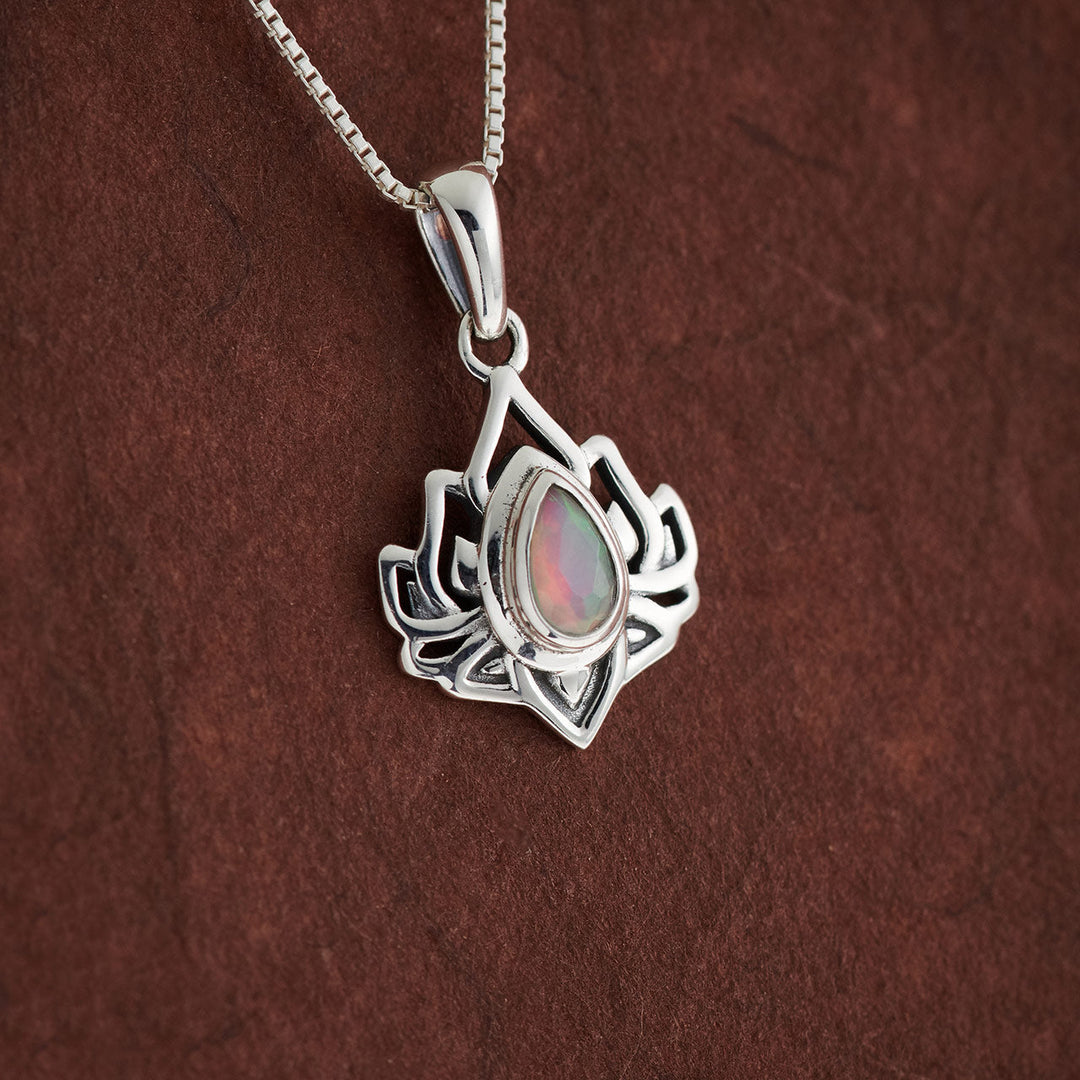
It's called play-of-colour, and it's structural rather than pigment. Opal is built from microscopic spheres of silica stacked in a grid, and light bends between them — so the colour you see depends entirely on the angle. Tilt the stone and you get a different one.
More than any other gemstone. Black, pink, green, blue, yellow, colourless, and single crystals that hold two or three colours at once — watermelon tourmaline is green on the outside and pink in the middle. No other stone has that range.
Opal is associated with creativity and with hope, and was long thought to hold the qualities of every stone whose colours it flashed. Tourmaline is tied to grounding and protection, black tourmaline especially.
Gently. Opal is soft at 5.5 to 6.5 on the Mohs scale, and it contains water — between 3 and 10 percent — so it doesn't like extreme dryness or sudden heat. Keep it out of ultrasonic cleaners, take it off for anything abrasive, and don't store it somewhere arid for years.
It can, temporarily. Ethiopian opal is hydrophane, meaning it absorbs water, and a soaked stone can go cloudy or lose its flash for a while. It returns as it dries, which can take hours or days. It isn't damage — but it's why you take Ethiopian opal off before washing your hands.